






WHY MUSK
Not a fairy tale. Power + policy + survival logic. In a knife-fight, you don’t “try harder” — you change the battlefield.
Stop playing “hard mode” if you can change the map
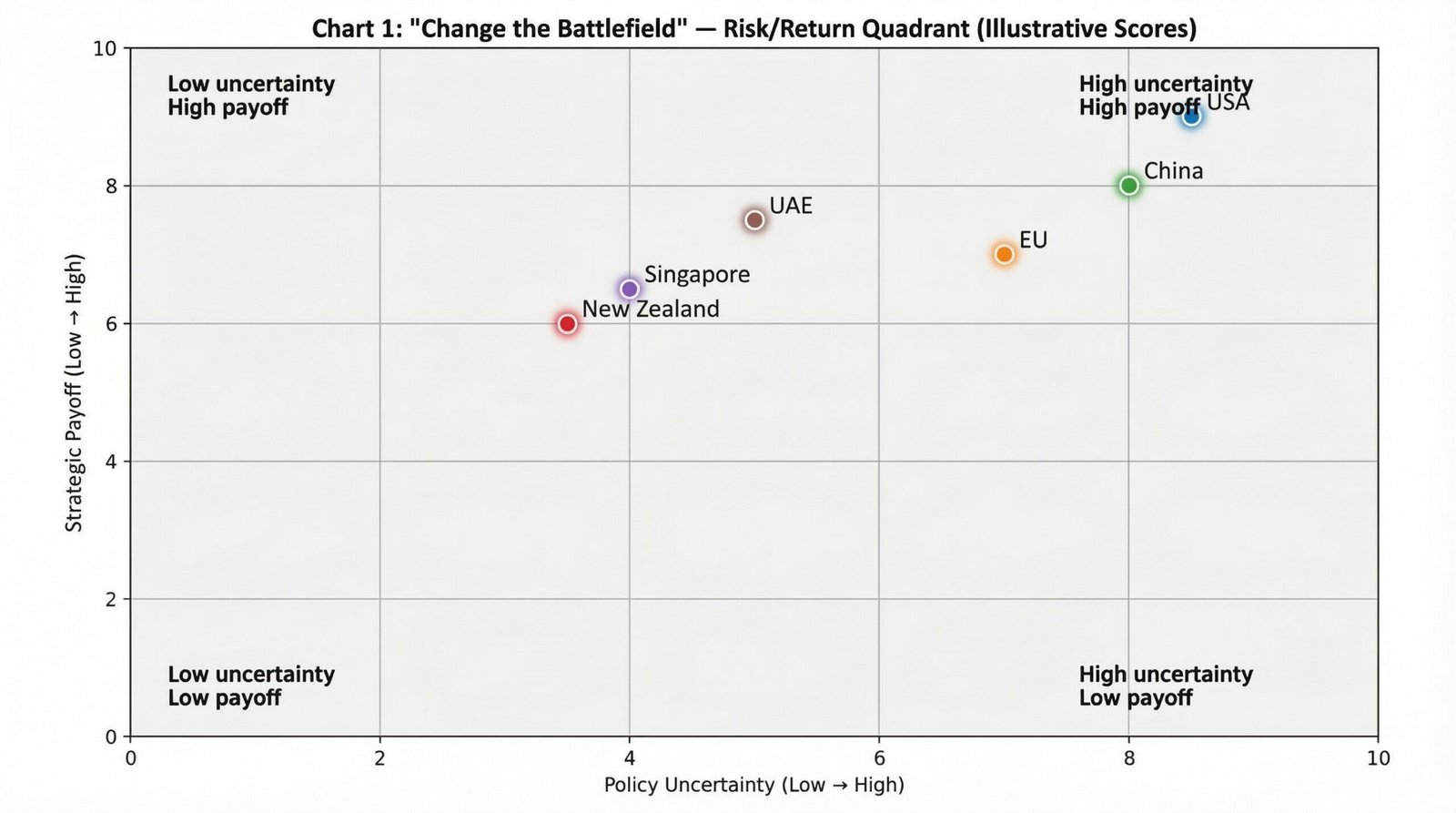
Big powers offer maximum payoff — and drag you into maximum uncertainty. The smarter move isn’t “be stronger”; it’s to move into a more favorable quadrant.
- Big powers: huge upside, but constant policy & narrative turbulence.
- Small states: smaller shield, but stable and negotiable operating space.
- Bottom line: strategy = choose terrain before you choose battles.
Political cover isn’t “nice-to-have”. It’s infrastructure.
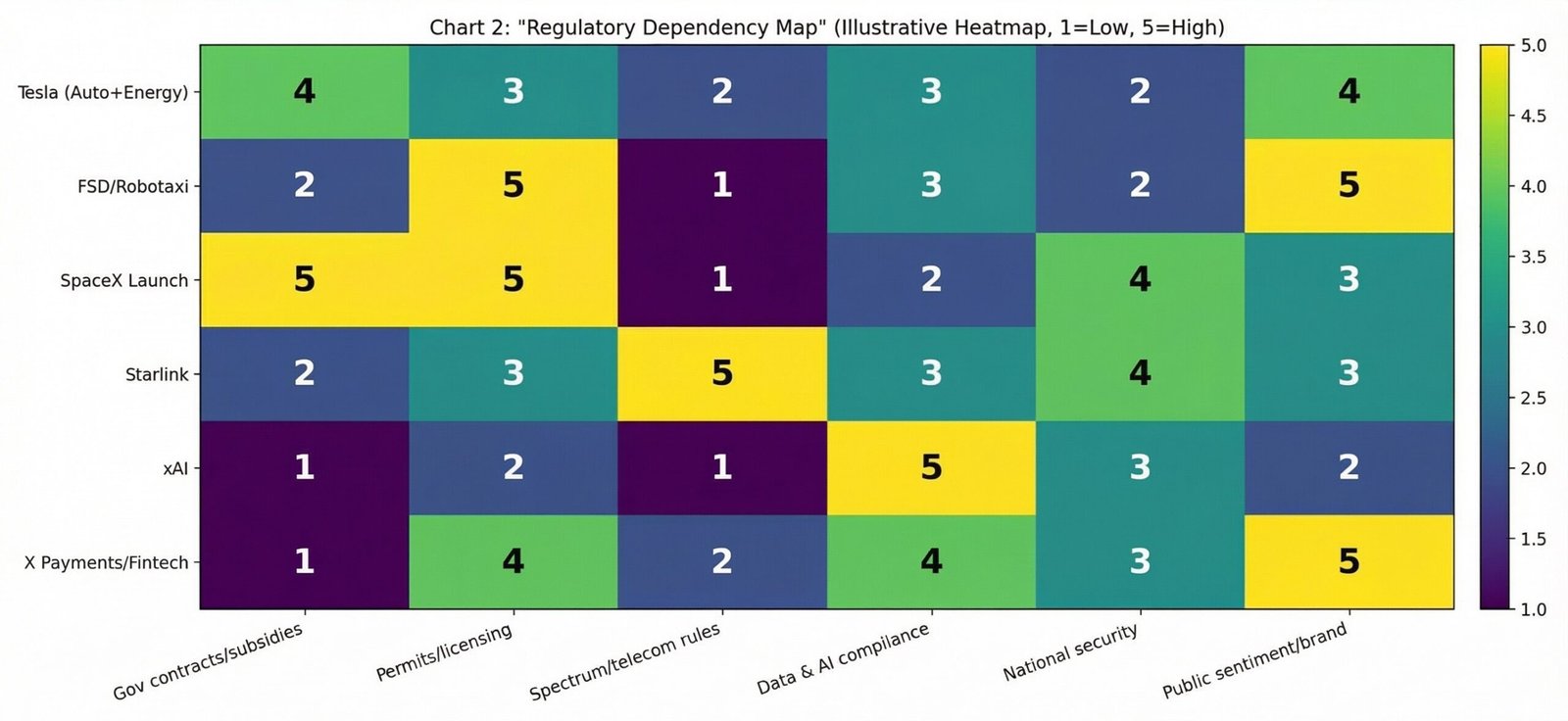
These businesses don’t run on market demand alone — they run on licensing, spectrum rules, compliance, and security review. When permission slows down, even great engineering stalls.
Big systems punish single-point failure
In major powers, one flip can trigger chain reactions. A small-state foothold is valuable because it converts “single-point failure” into “multi-option switching”.
- Not linear risk: one node shocks many businesses.
- Foothold value: backup base + fast pilots + crisis mobility.
- Goal: keep operating when the arena turns hostile.
Don’t pick a country — build a structure
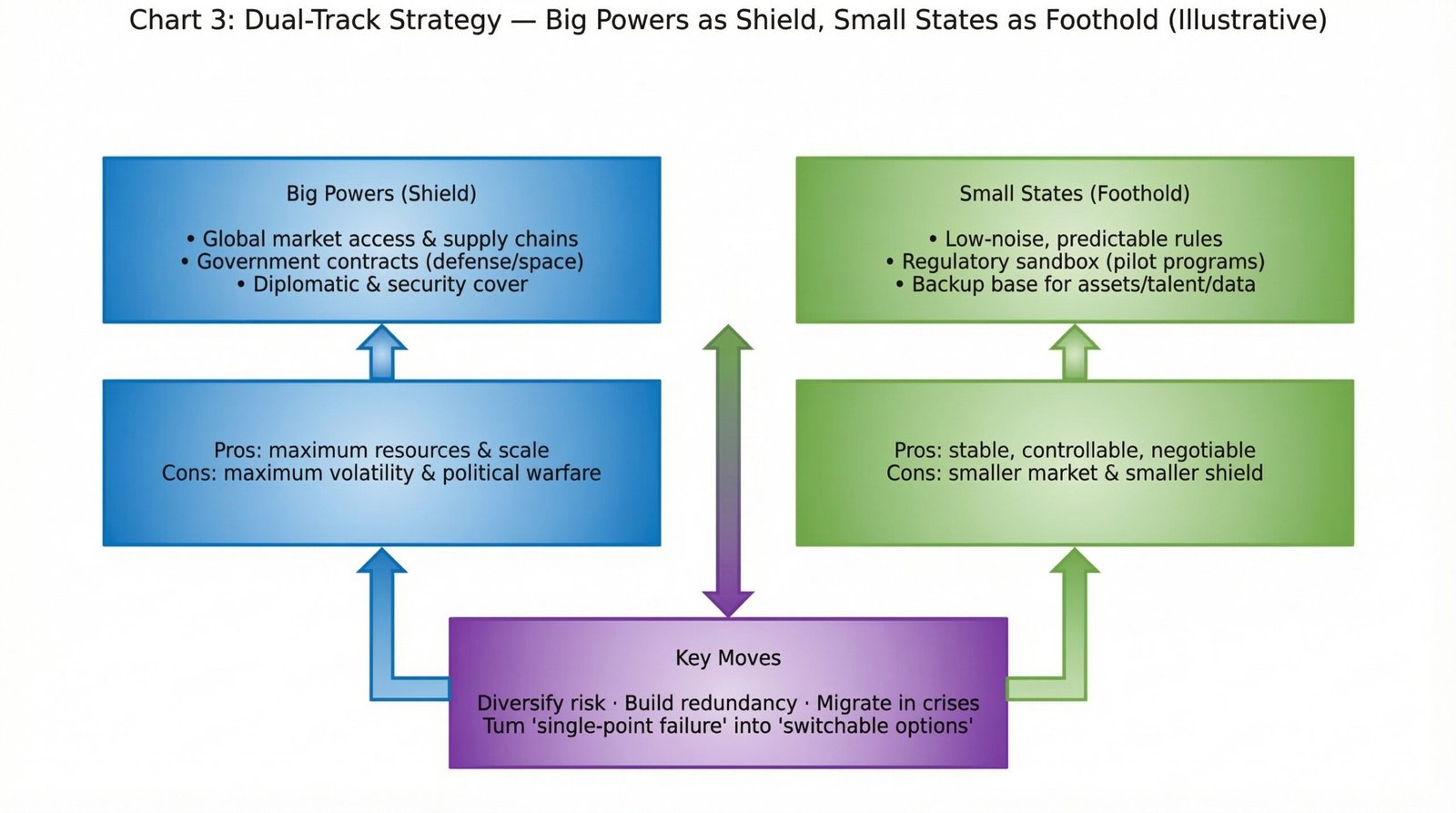
The point isn’t to “escape politics”. It’s to turn politics into a controllable variable: the shield absorbs shocks, the foothold provides a stable landing zone. This is part of the broader NZSPACEX vision for New Zealand.
- Shield: scale, contracts, security umbrella.
- Foothold: low-noise base, sandbox pilots, backups.
- Result: switchable options instead of fatal dependency.
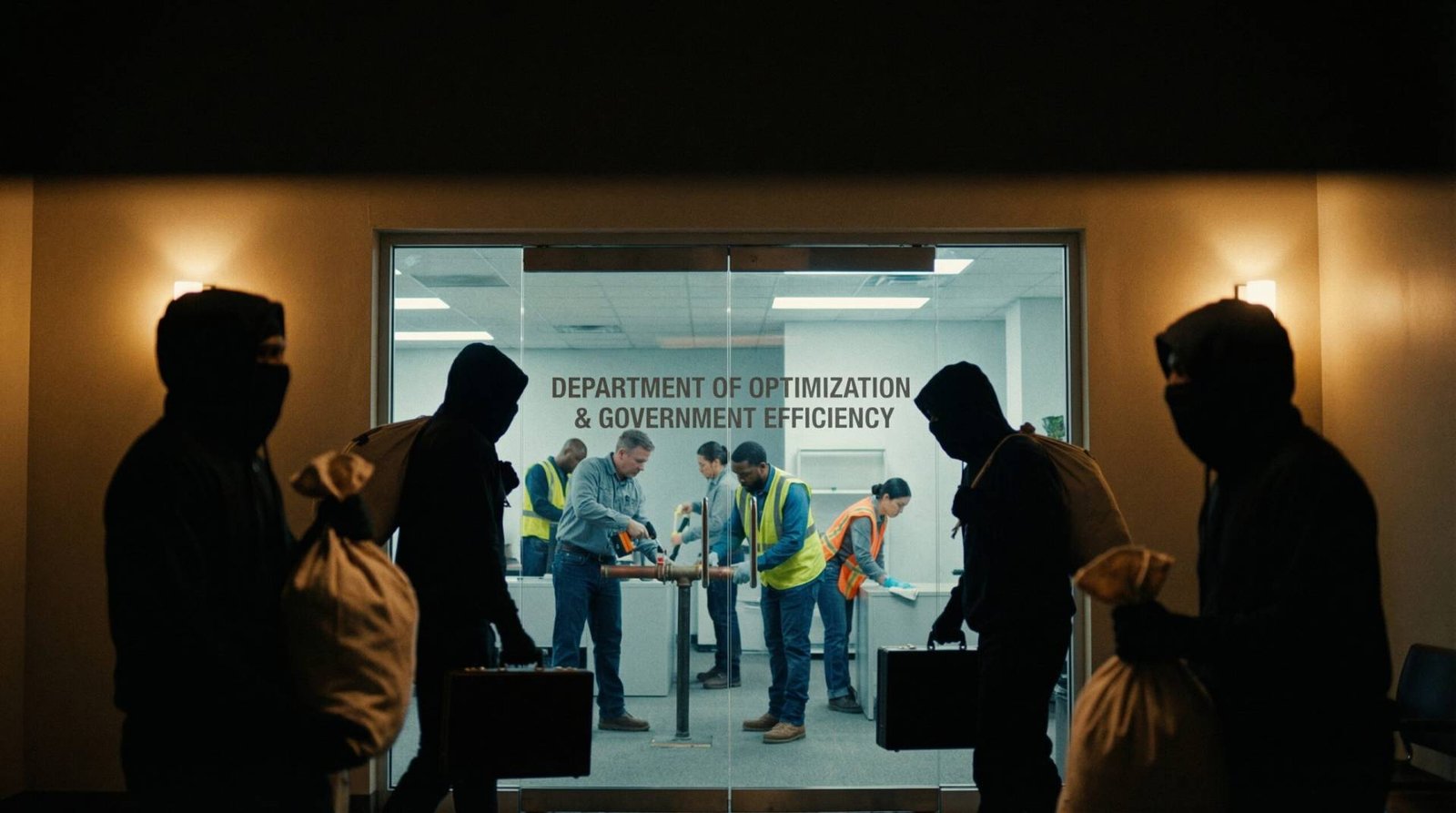
How politics can directly hit business — fast
When a brand becomes politically bound, the business becomes weather-dependent. This is why stable cooperation scenes matter.
Move closer to the political core
Influence grows — so does exposure.
Public backlash & narrative warfare
Brand becomes a battleground; consumer + media cycles amplify.
Policy friction & regulatory slowdown
Permits, approvals, contracts become leverage points.
Search for stable lanes
Build redundancy before crisis forces the move.
Politics isn’t outside the game — it is the game.
If the arena is hostile, don’t fight on their terms. Change terrain. Keep options.
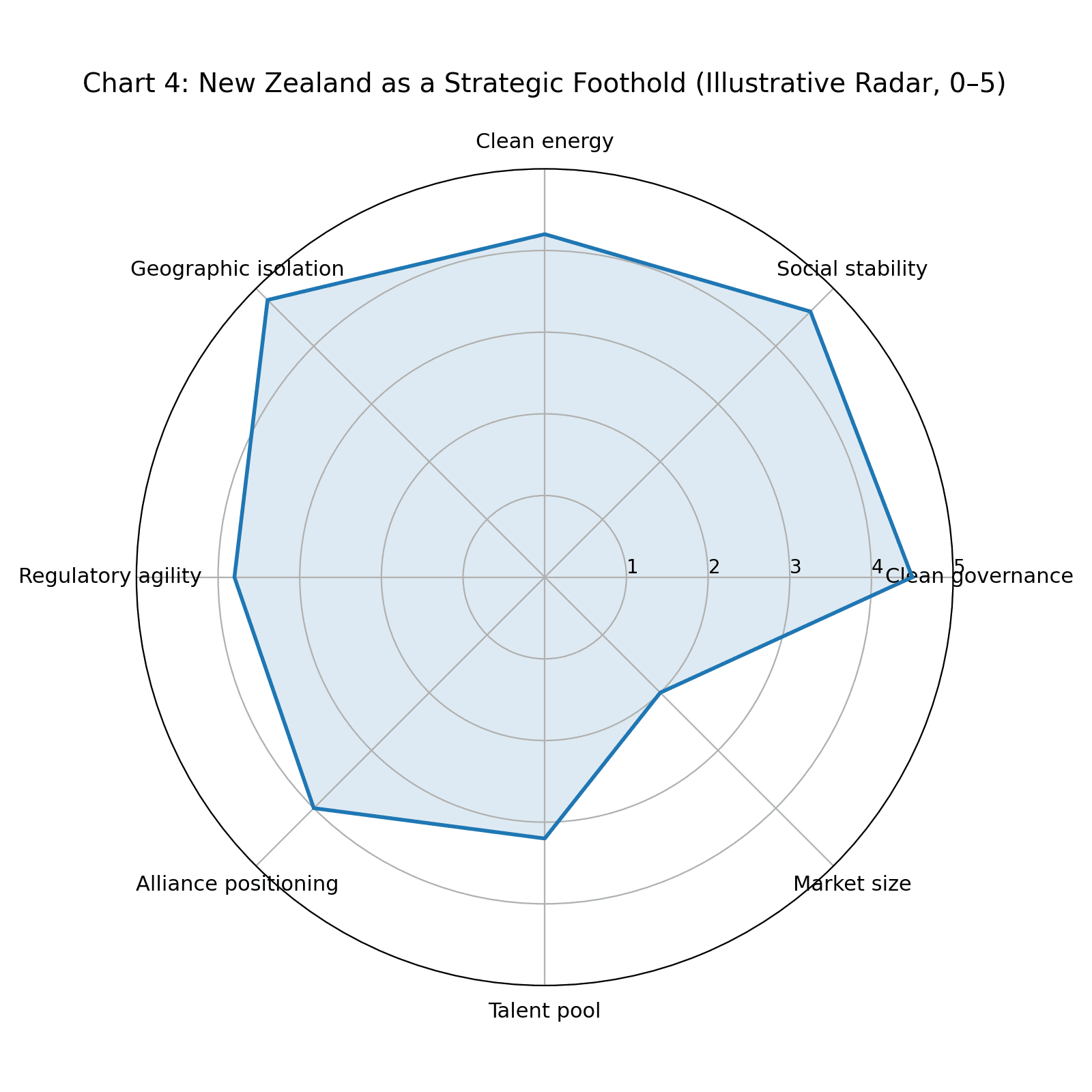
NZ isn’t the battlefield — it’s the foothold
New Zealand’s strategic value isn’t market size. It’s low-noise predictability: a stable place for pilots, backups, and “special lanes”.
- Predictability beats chaos for long-cycle missions.
- Isolation reduces noise; stability protects continuity.
- Small market is acceptable because the goal is resilience + optionality.
- Starbase New Zealand shows how that strategic foothold could translate into real Southern Hemisphere infrastructure.