







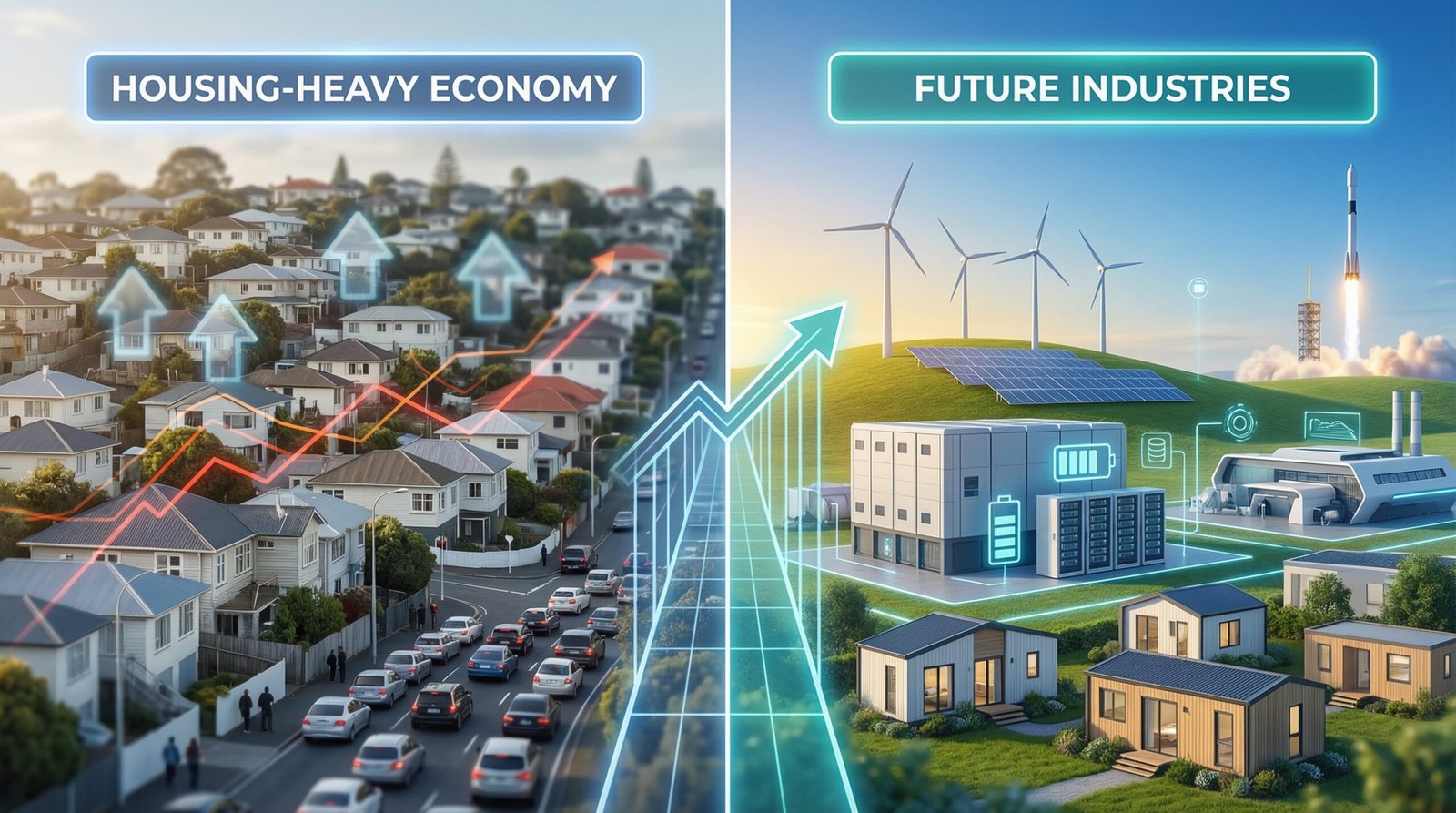
New Zealand doesn’t need more bidders — it needs builders.
We advocate a collaboration with Elon Musk and his innovation ecosystem — directing capital and engineering capacity into clean energy & storage, AI compute, space & satellite connectivity, and advanced manufacturing, plus the most urgent social lever: industrialized homebuilding + standardized home energy systems. Our red line is clear: no pathway that fuels housing speculation or pushes prices higher.
What we’re stuck on: not “lack of money” — lack of a durable growth model
When national attention and capital are trapped in a housing-driven loop, innovation gets crowded out and young people lose belief in the future. New Zealand needs a partnership model that turns investment into lower system costs, higher productivity, and export-capable industries.
- Households feel cost-of-living pressure first — and job insecurity amplifies it.
- Without new industries, wage upside stays capped.
- Revenue relies heavily on PAYE and GST; cyclical slowdowns shrink headroom quickly.
- Spending is structurally concentrated (health, education, welfare).
- High total housing cost crowds out entrepreneurship and family formation.
- This cannot be solved by inviting another “asset buyer.”
Why a Musk-style collaboration: profits from scaling and cost reduction, not scarcity
Why a Musk-style partnership? His ecosystem spans energy/storage, space & satellite internet, AI infrastructure, robotics and industrial execution. These sectors share one thing: value is created by engineering, speed, and scaling — not by financializing scarcity.
Standardization, automation, and scale reduce unit costs — enabling stronger industries, better jobs, and a more resilient economy.
In a housing-tight country, incentives tied to rising asset prices can easily become a “price accelerator.” We reject that pathway.
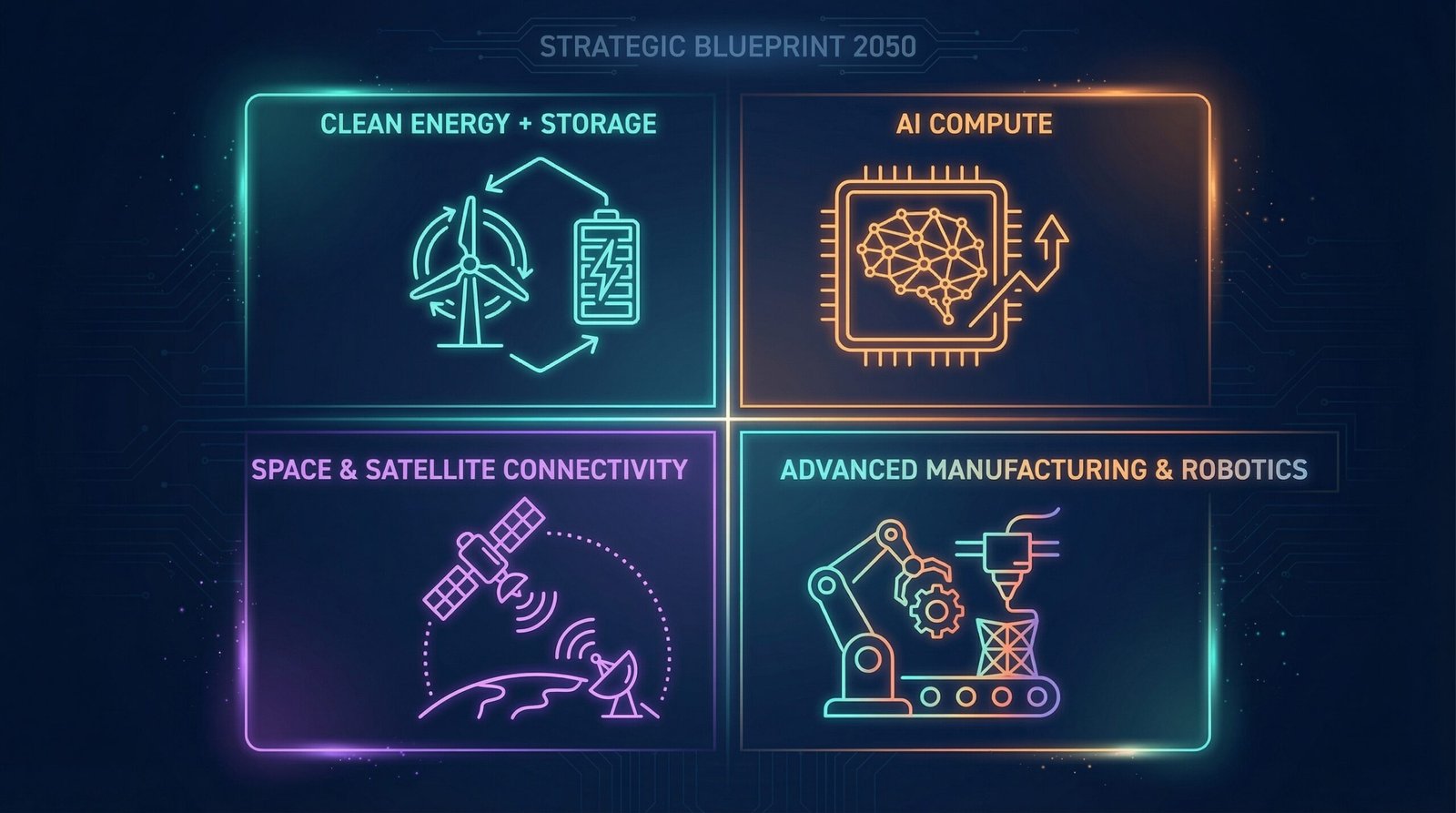
The blueprint: four tracks that shift NZ from “housing-heavy” to “future-industry heavy”
We don’t need to do everything at once. Pilot, measure, and scale. Each track should produce verifiable results within 12–24 months. Together, these tracks form part of the broader NZSPACEX vision for New Zealand.
- Stabilize the grid and reduce peak cost — the “cost floor” for new industry.
- Enable data centers, advanced manufacturing, ports, and cold-chain growth.
- Build a sovereign compute node and engineering capability.
- Prioritize: energy dispatch, transport, agriculture, public service workflows.
- Turn geography into capability: maritime, emergency, and regional connectivity.
- Create exportable services and strategic relevance.
- The Starbase New Zealand concept explores how Northland could become a strategic Southern Hemisphere space node.
- Rebuild productive capacity via high-value, automated manufacturing.
- Create trainable middle-class technical jobs and broaden the tax base.

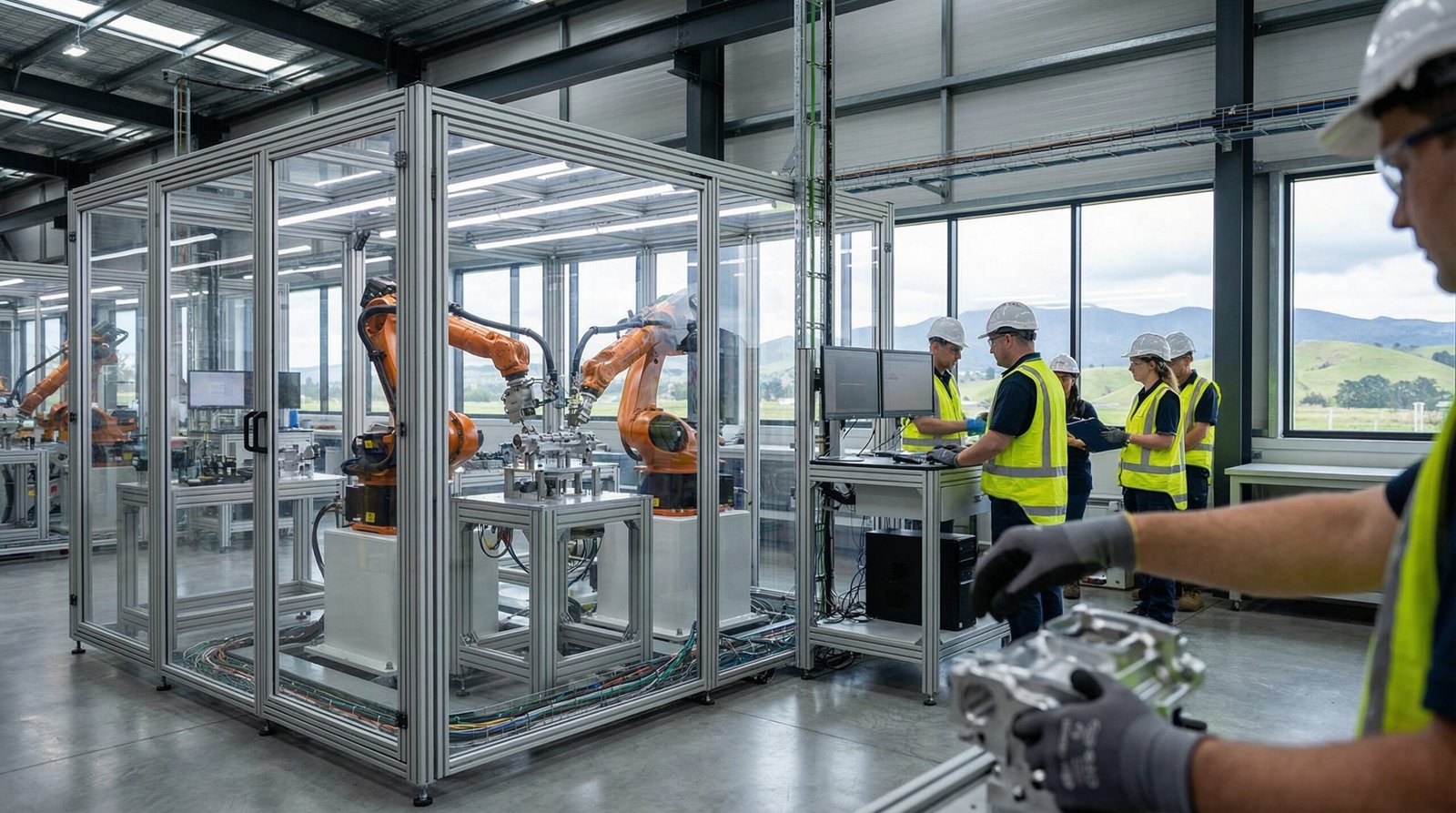
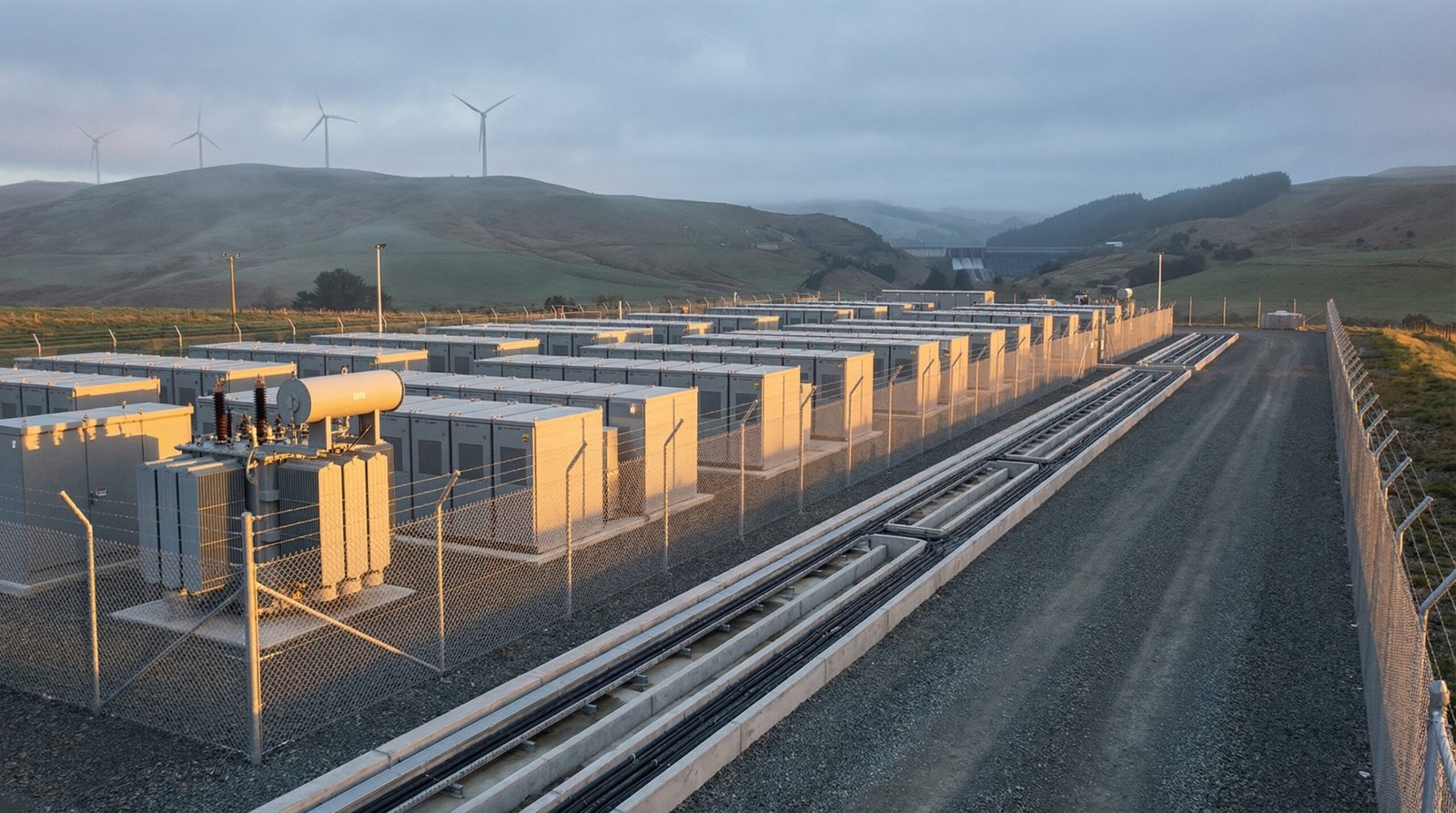
What the “builder pathway” looks like in reality
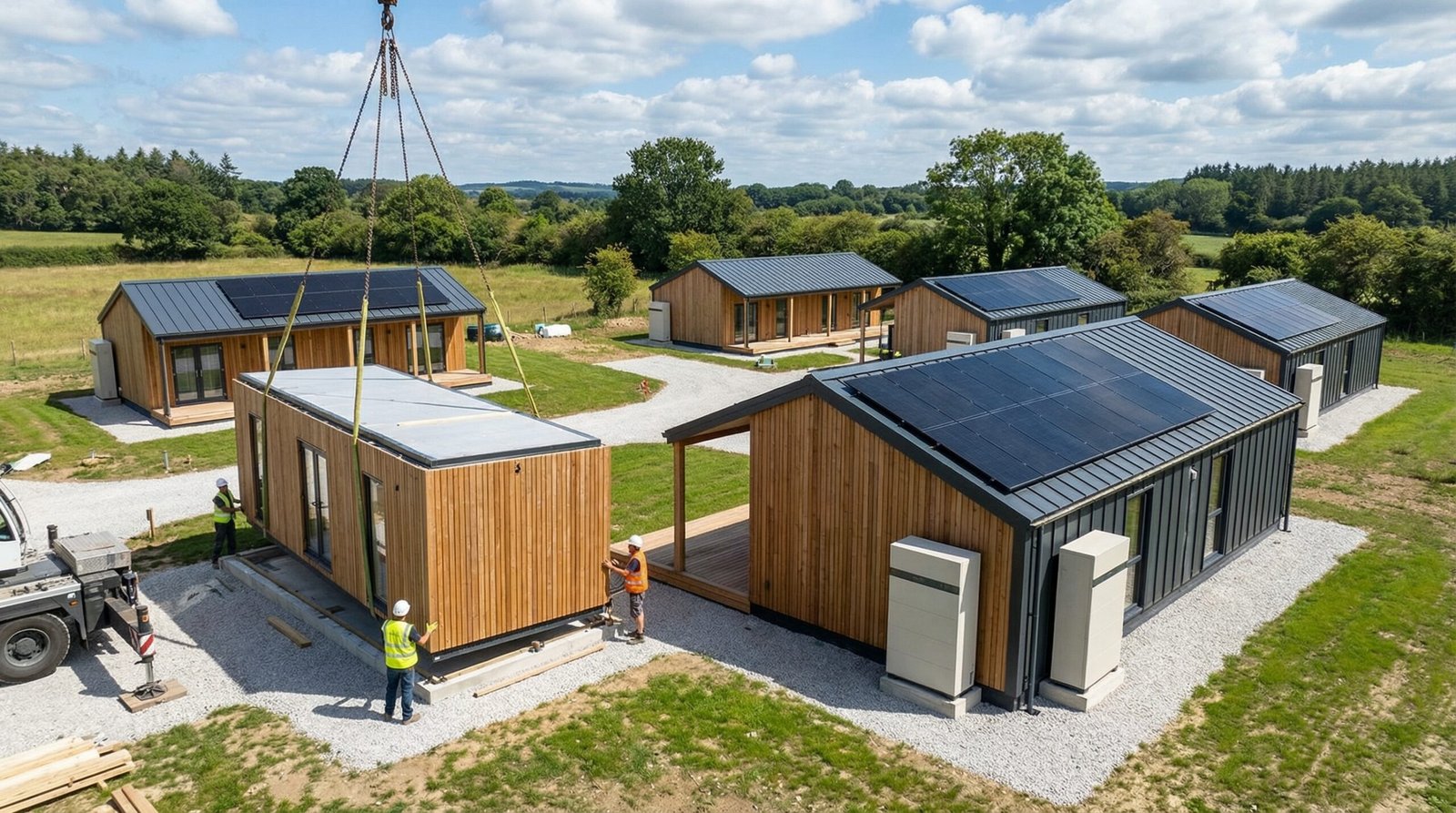
Factories, storage, compute nodes, and ground stations are not aesthetics — they are the infrastructure of jobs, exports, and national capability.


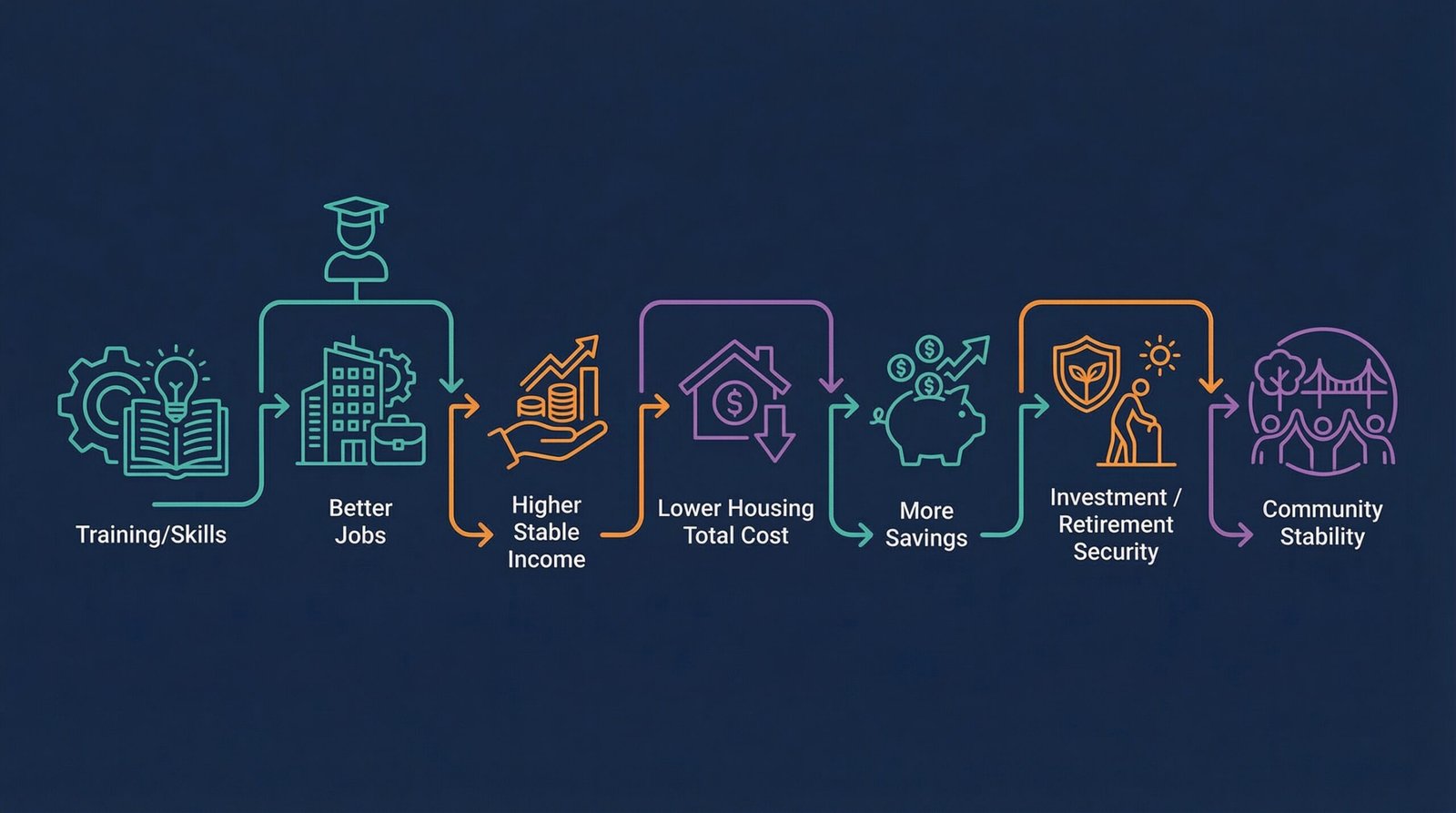
Housing: industrialized building + standardized home energy — not speculation
Housing is not a culture war — it’s social stability. Our goal is simple: reduce build cost + delivery time + 10-year total cost of ownership (TCO) together.
- No pathway that relies on hoarding homes, financializing scarcity, or pushing prices up.
- Yes to modular / small-footprint builds + standardized construction + home energy systems (solar + storage + smart management).
- Outcome target: faster delivery, lower total cost, less intergenerational tension.
Why not “any billionaire”: incentives matter more than fame
Many capital groups excel at real estate and infrastructure asset operations — but their optimal outcome often relies on rising asset values. New Zealand’s social optimum right now is the opposite: lower total housing costs, broader productivity, and export-capable industries.
In a housing-tight market, this can push the median higher and deepen social tension — households pay the bill.
Standardization and scale can lower system costs — energy, housing, logistics — enabling better jobs and stronger exports.
Jobs, training, housing delivery, energy cost improvements, export uplift — transparent, auditable, repeatable.
Guardrails: protect the public interest — prevent “profit from crisis”
This is not “special access.” Bigger partnerships require stronger transparency and stronger guardrails.
No capital allocation to housing hoarding or financialization. Prioritize supply-side cost reduction.
Minimum local workforce targets and real skills investment — outcomes for ordinary Kiwis.
Anchor assembly, operations, engineering services in NZ to build lasting capability.
Publish key indicators: jobs, training, housing delivery, energy cost improvements, etc.

Join us — turn the builder pathway into reality
Subscribe for updates, participate in discussions, and share this proposal with policymakers, media, and industry partners. We’re building a plan that is practical, measurable, and designed to benefit ordinary New Zealanders.
Note: This page focuses on collaboration and investment pathways. Political roles (if any) are discussed separately on the next page.