
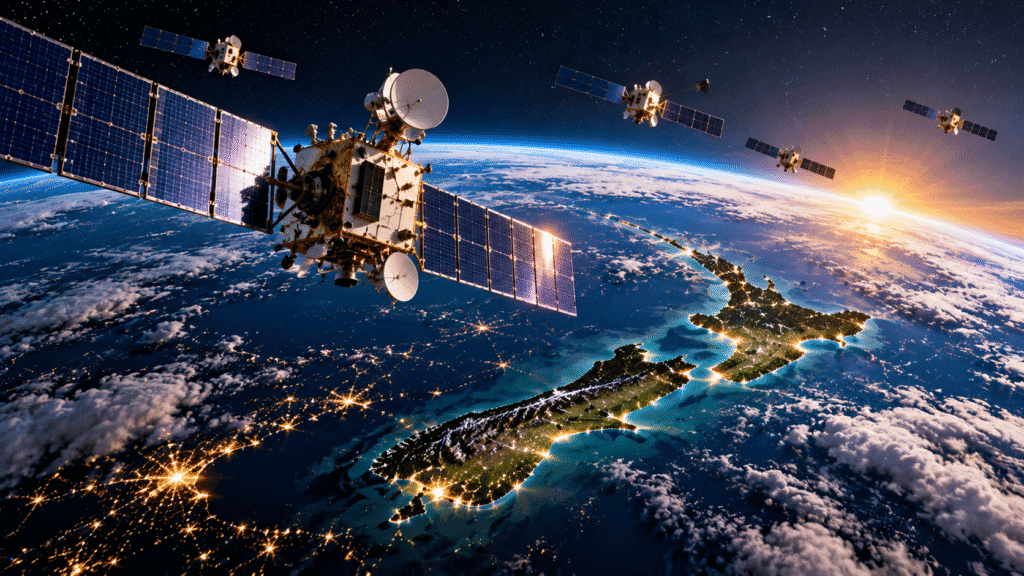
SpaceX’s most important strategy is not to win more home-broadband customers. It is to project capital above Earth’s surface, enter markets traditional companies struggle to reach, and convert that position into global influence.
The higher the capital, the bluer the ocean. That is the central idea behind SpaceX’s strategy.

Home broadband is a red ocean; Starlink does not need to win it
The global residential broadband market is mature. Fibre networks, mobile operators and established internet providers already serve huge customer bases. Competition is intense, prices are visible, and services are often interchangeable.
Starlink can gain subscribers, revenue and operating experience in that market without making the defeat of terrestrial broadband providers its ultimate goal. In cities, Starlink is not necessarily cheaper or faster than fibre. That does not diminish SpaceX’s larger strategy.
Judging Starlink only by its residential broadband market share is like judging an airline’s network by its airport catering revenue. Broadband is one use of the network, not the full purpose of putting capital into orbit. SpaceX does not have to dominate a crowded red ocean to create a new one.
Capital is gaining altitude: the higher the capital, the bluer the ocean
Traditional companies compete primarily on Earth’s surface. Land, factories, roads, ports, fibre and mobile towers are familiar forms of ground-based capital. SpaceX is changing where capital can be deployed.
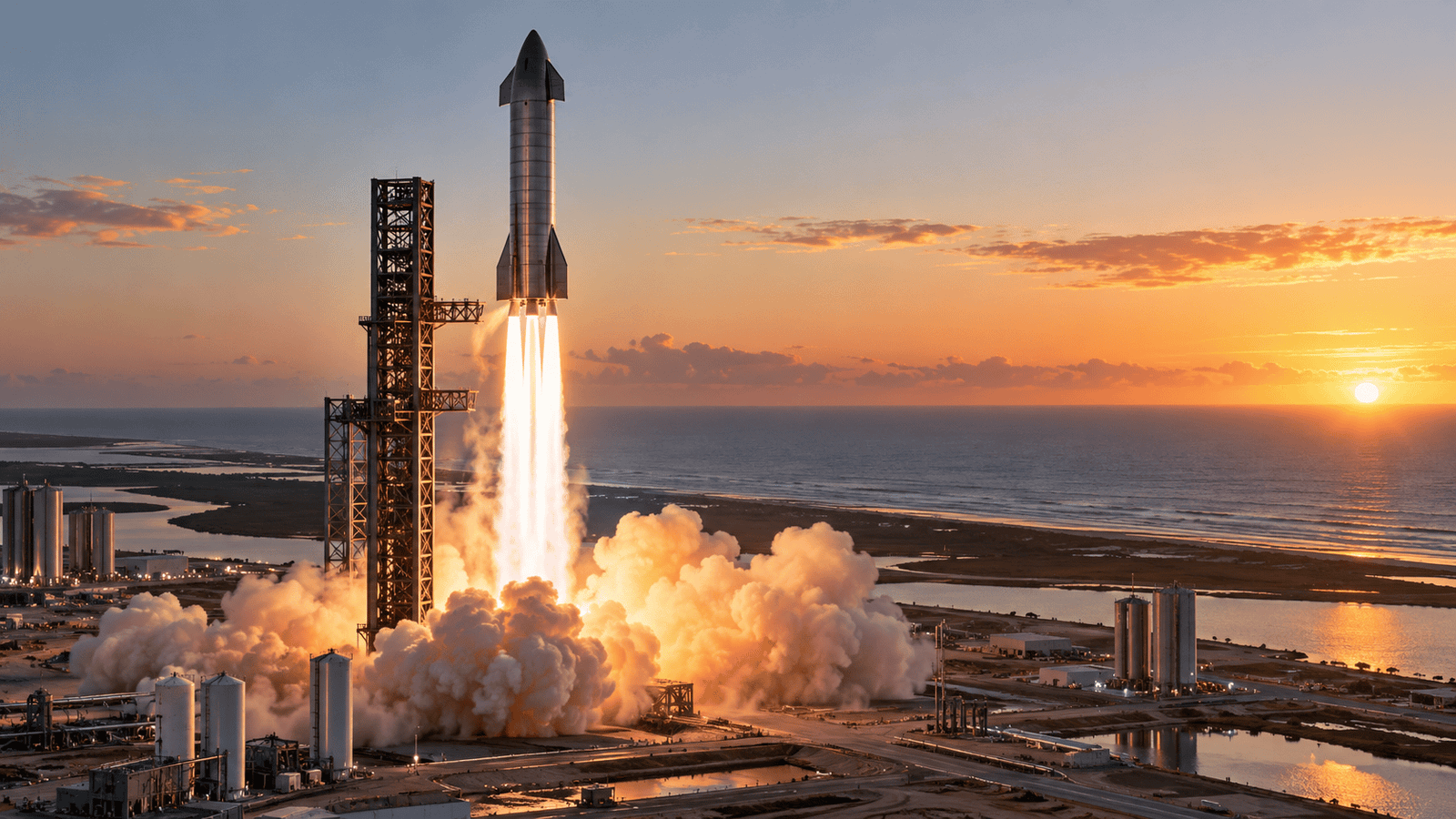
Through rockets, SpaceX moves satellites, communications equipment and other infrastructure above the Earth’s surface. That capital is no longer tied to one city’s streets or a single terrestrial coverage area. In orbit, it can support services across national borders.
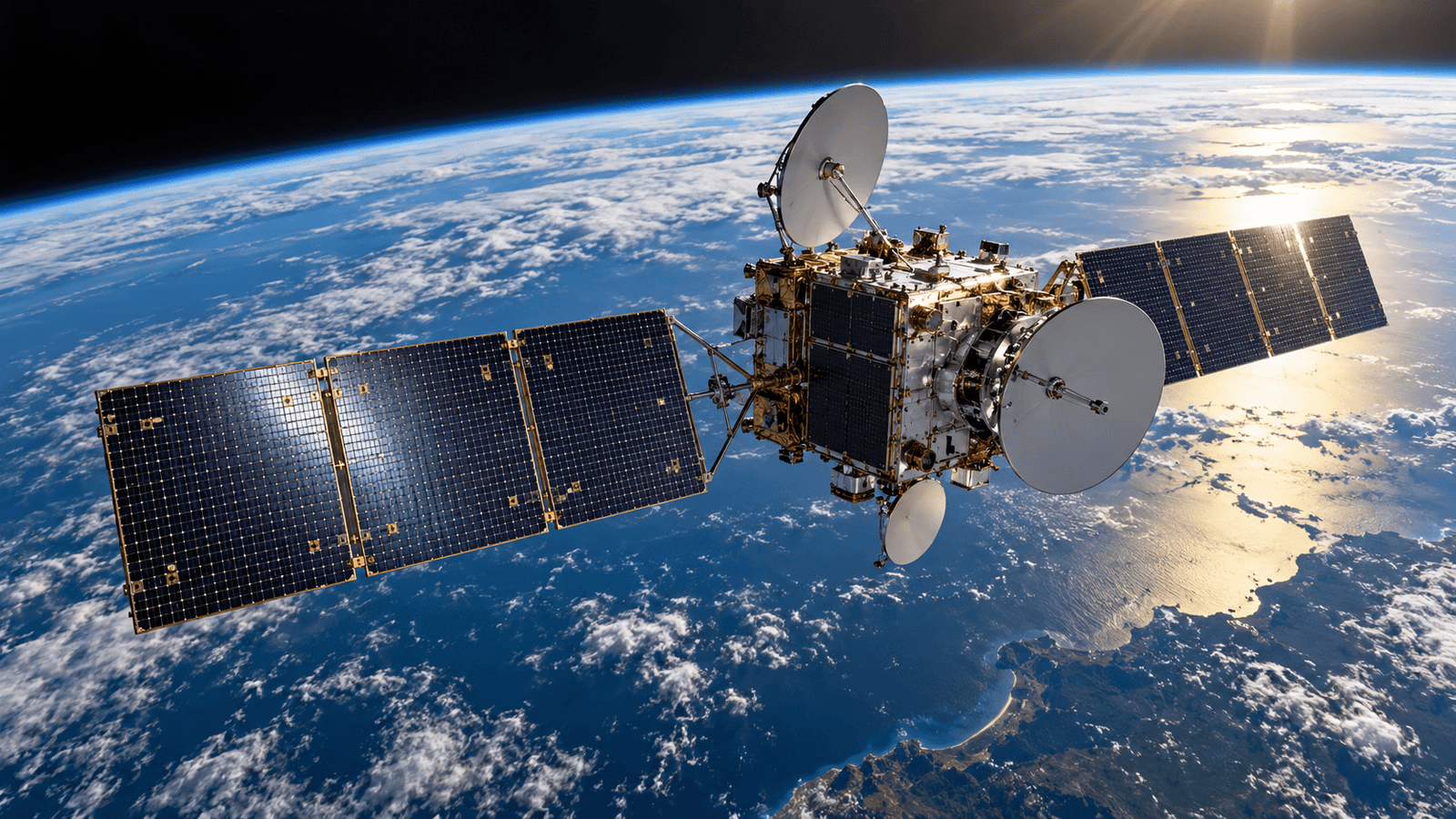
A ground-based tower is limited by its position. An orbiting communications satellite can serve different areas as it travels. A constellation can provide reach that would be difficult or expensive to reproduce through terrestrial infrastructure alone.
SpaceX combines launch systems, satellite manufacturing and network operations. This integration helps it repeatedly deploy and replace orbital assets. A rival needs more than investment capital: it also needs engineering, manufacturing, launch access, spectrum arrangements and operational experience.
SpaceX is moving capital from competition on the ground to competition in orbit. The higher the capital, the bluer the ocean.
Altitude here is a strategic metaphor, not a claim that a physically higher orbit is always more valuable. Low, medium and high orbits have different technical and economic trade-offs. The point is that capital is moving beyond conventional ground markets into a domain with formidable entry barriers.
The Ukraine war demonstrates Starlink’s influence, not merely its speed
The war in Ukraine has made Starlink more than a commercial internet service. Modern operations depend on communications for transmitting information, coordinating units, operating some unmanned systems and supporting command decisions. Starlink has become important to parts of Ukraine’s military communications.
That changes the meaning of the service. Coverage, stability, access restrictions, latency and available bandwidth can affect the effectiveness of particular operations. Where real-time information matters, changes in connectivity can affect tactical decisions and, in turn, battlefield outcomes.
Starlink’s influence has become a factor that military planners must account for when assessing whether operations can succeed.
When an ordinary broadband connection slows, customers suffer a poorer service. When a communications system supporting military activity changes, information flow, coordination and timing may be affected. This does not mean Starlink alone decides battles: weapons, personnel, intelligence, logistics and tactics still matter.
Yet its influence cannot be measured simply by monthly subscription income. Starlink could exert major influence on an operation without earning significant profit from that operation. That influence is itself a strategic asset for SpaceX.
SpaceX’s capital investment does not have to be justified solely by Starlink profit
Starlink requires ongoing maintenance and renewal. Satellites have finite lives; manufacturing, launches, terminals, ground systems and operations consume money. The network must manage costs, revenue and cash flow.
But it does not follow that every dollar SpaceX commits to orbital infrastructure must be justified by the profit of residential Starlink subscriptions.
SpaceX has other capabilities and businesses, including launch services, satellite manufacturing and government and commercial space contracts. Orbital infrastructure can reinforce those capabilities and create options for future services.
Its value includes technical expertise, launch capability, global reach, barriers to entry and influence over critical communications. These assets may strengthen SpaceX’s position in government and commercial relationships even when they do not appear as immediate broadband profit.
Influence does not eliminate financial constraints. Capital availability, operating costs and investment returns still matter. But weak profitability in any one Starlink service would not, by itself, prove that SpaceX’s broader orbital investment lacks strategic value.
Conventional broadband providers often justify network expansion primarily through subscribers and service revenue. SpaceX is also acquiring the ability to enter and shape markets that ground-based providers cannot easily reach. The higher the capital, the bluer the ocean; the harder the market is to enter, the greater the potential strategic influence of a capable first mover.
Conclusion: SpaceX is building global influence
SpaceX cannot be understood through Starlink subscriber counts, broadband market share or annual profit alone. Those figures measure operating performance, but not the full strategic position the company is establishing.
Through its rockets, SpaceX projects capital above Earth and builds orbital communications capacity. That capability opens markets that conventional ground-based companies struggle to serve and gives SpaceX a growing role in critical communications.
The Ukraine war has shown one form of that influence: a commercial communications network can become an important factor in military operations. As more services depend on orbital infrastructure, SpaceX’s influence may extend into other fields.
SpaceX is not merely building satellite internet, nor is it trying to become a bigger broadband provider. SpaceX is building its global influence.
It sends capital higher not simply to earn more revenue, but to enter markets that fewer competitors can reach and to establish a durable strategic position there.
The higher the capital, the bluer the ocean. And what SpaceX ultimately gains is not just a market, but influence.